Rachel B.
Commented on Seated Cable Rows | K.I.S.S BACK WORKOUT | 100 REPS
Replied on I just finished my new WHY JOIN SEIZE...
Posted
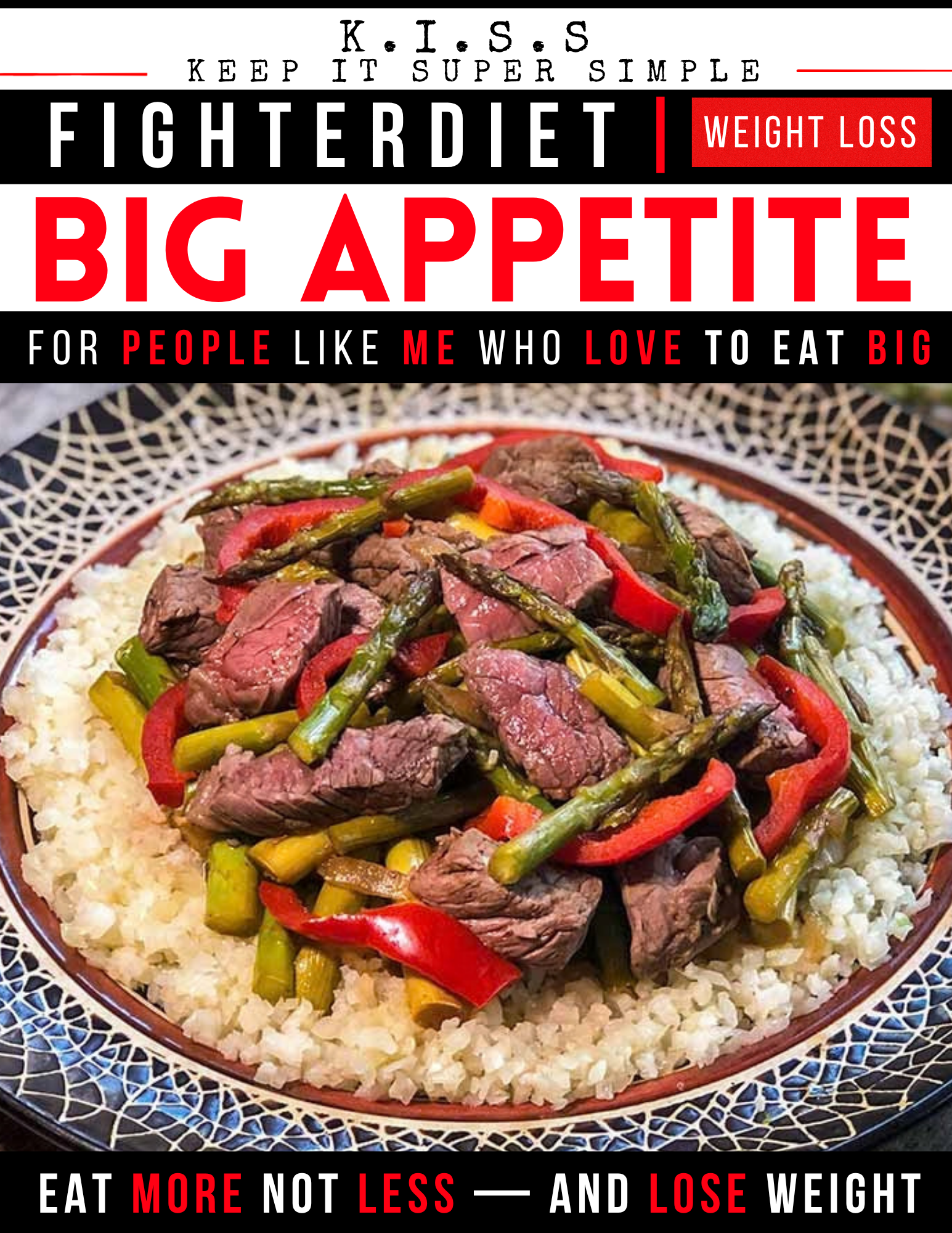
I’m going to make a guide to go with it, and the whole point is not that everyone has to eat exactly like me forever.
You start by following my lead.
You learn the system. You follow the meal plan. You get results. You experience what it feels like to actually be FULL and satisfied while working toward a lean, healthy body.
Then, once you understand what you’re doing, you start finding YOUR version of my Heaven in a Bowl.
That’s the freedom I want Fighterdiet to teach.
I don’t want to spend my life managing macros and thinking about how to fit everything into my calorie budget.
I want to love the way I eat.
Eat big. Feel satisfied. Keep it simple.
More coming, check out my project here:
Posted
WHY I DON’T JUST “FIT” JUNK FOOD INTO MY DIET
One reason I never eat or almost never eat junk food, or high-calorie deep fried fast food or typical mainstream comfort foods nowadays?
They technically could fit into my calorie budget.
But I'd have no calories left to spend on managing my hunger or appetite. If I choose small volume high calorie low satiety and highly appetite stimulating foods I'd be starving on nutrition, but 'filled up to max' on my calorie budget needed for my body.
I love to eat big. I want big meals. I want to feel satisfied.
If I tried to eat the way I eat and add calorie-dense junk food on top of it, I’d blow my calorie budget and gain body fat.
So I make a choice.
I’d rather eat BIG and stay lean than eat small and constantly try to make everything fit.
I DON’T WANT TO MANAGE MY MACROS EVERY DAY LIKE I LIVE IN A DIET PRISON WITH NOTHING ELSE TO DO.
This is also one of my frustrations as a coach.
People keep trying to hold on to systems that they cannot realistically maintain.
Tracking macros work. But the moment you stop what usually happens? You quit and start over. And there is where that cheat meal or cheat day kicks in and that is not tracked, is it?
The question I care about is:
Are you going to want to do it ten years from now?
I wouldn’t.
I don’t want to weigh, calculate and control everything I eat every day. I don’t want my diet to feel like another boring project I have to endure for the rest of my life.
For me, that takes the joy out of eating.
Eventually, life starts to feel restricted and food stops being fun.
I call that diet depression.
Fighterdiet is my Fighterdiet heaven on earth. I have my heaven in a bowl every day. Not always the same, but the same concept remains.
I love the way I eat and how what I eat makes me feel.
Love is a choice, I choose to love my diet, that is why it's built on freedom combined with knowing what makes me happy long-term: Not to succumb to temptations designed to make me unable to resist them, like fast food created by food scientist who put greasy, sugary, savory, salty and crunchy into concoctions that eat up a whole calorie budget for a normal person like me in a tiny meal.
I created a way of eating that lets me have the big daily meals I want, satisfy my hunger and appetite, stay lean and build a healthy body without having to calculate every bite.
I am SO grateful I made my personal food problem my food program. That is why I stay lean, full and satisfied instead of fat, hungry and pissed.
POBO LIFE for me? FREEDOM and the feeling that I can have it all and not suffer the consequnces from it.
Posted

Check out all the FUN from my FOOD LIFE & creating Fighterdiet programs!
https://www.coachpaulinenordin.com/fighterdiet-meal-plans-programs
Posted
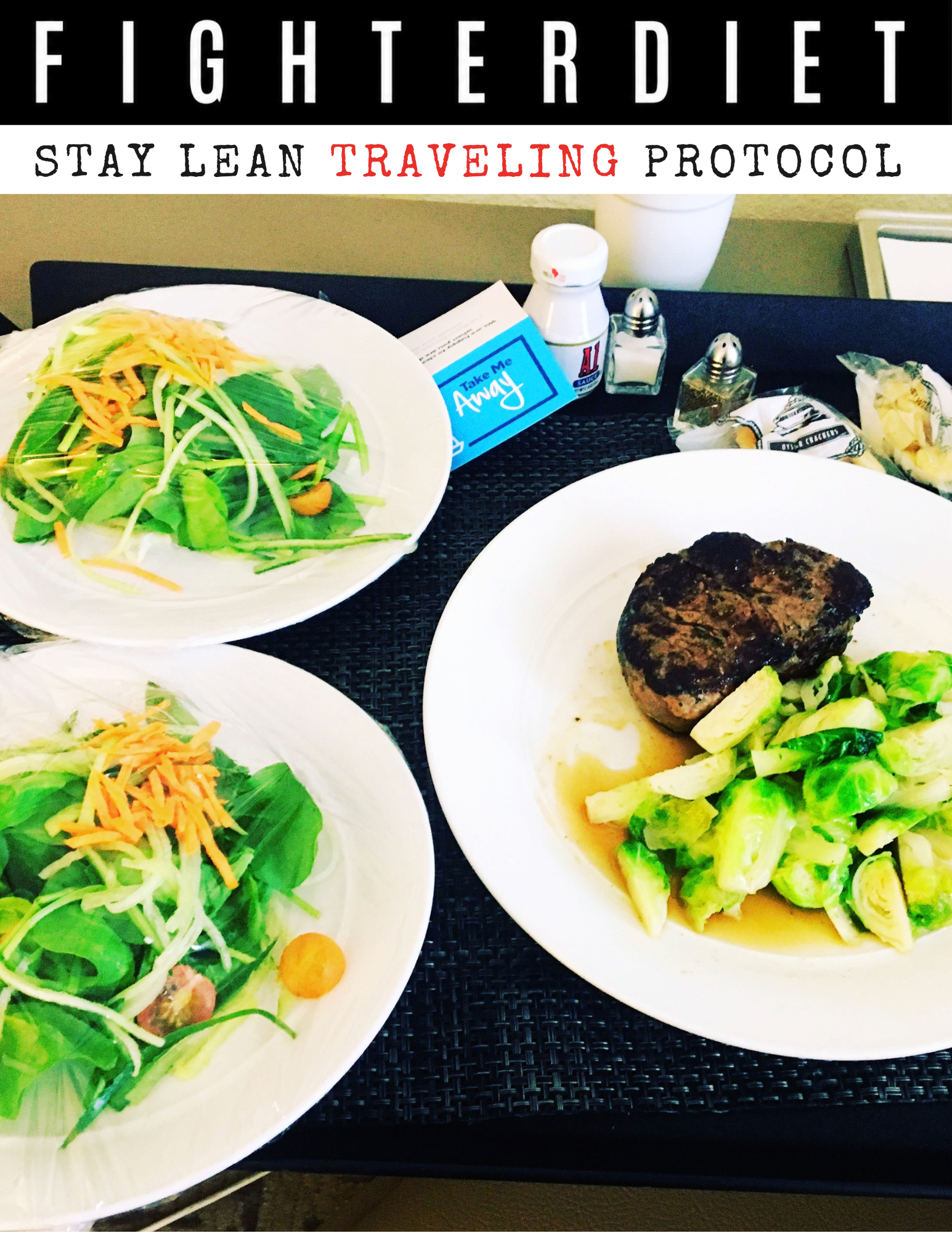
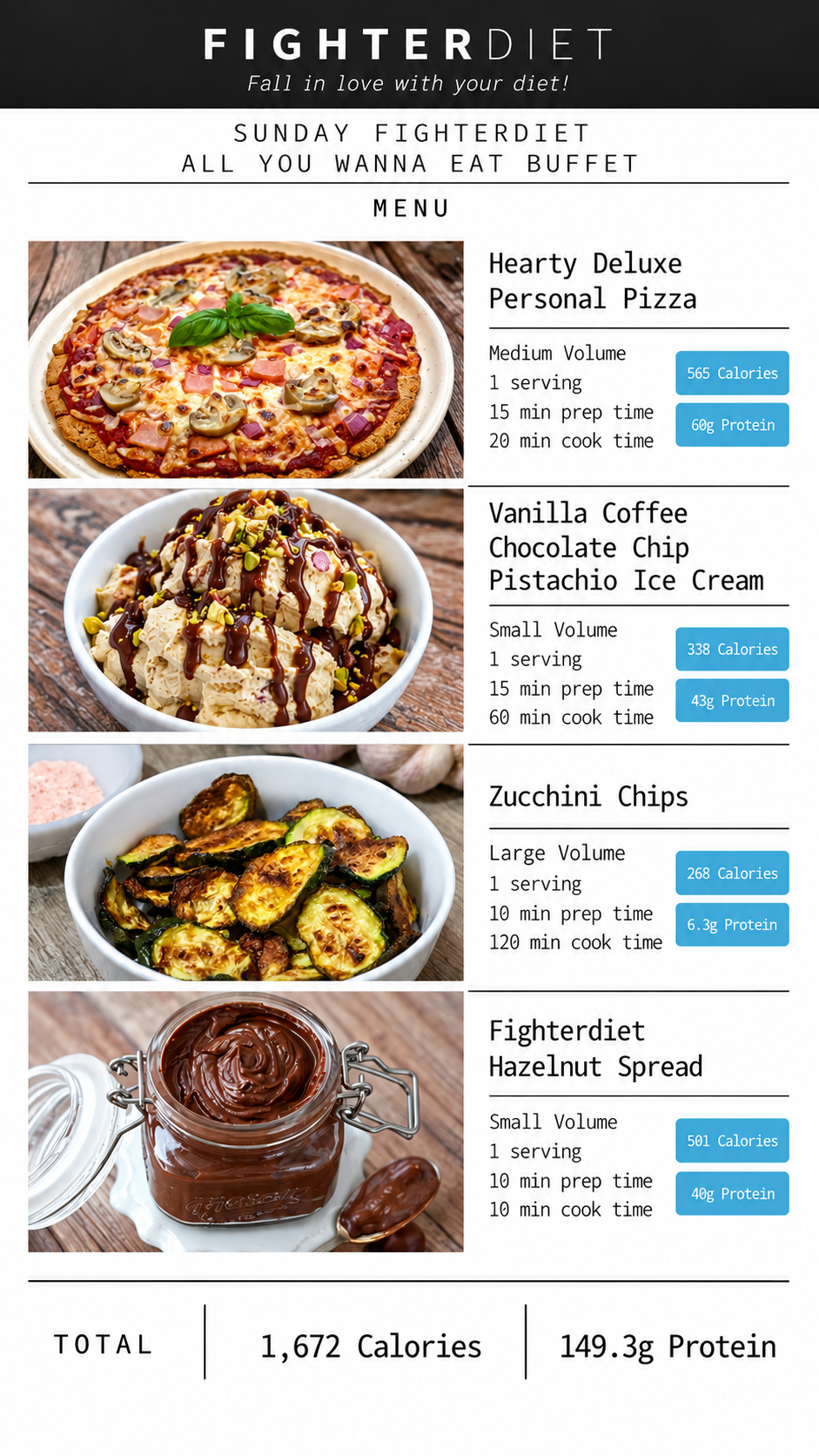
What is Fighterdiet? Just cabbage and pink salmon? Ha!
Welcome to my busting myths about how I eat, how I create recipes and put them together into Fighterdiet meal plans and programs.
Let's start with the Fighterdiet Fad Diet system for traveling and to skip diet blues!
And another one? That chocolate is mandatory and if you don't like chocolate you can't "do" Fighterdiet.
https://seizethetrainingday.com/programs/traveling-and-fad-diet-of-fighterdiet
Posted
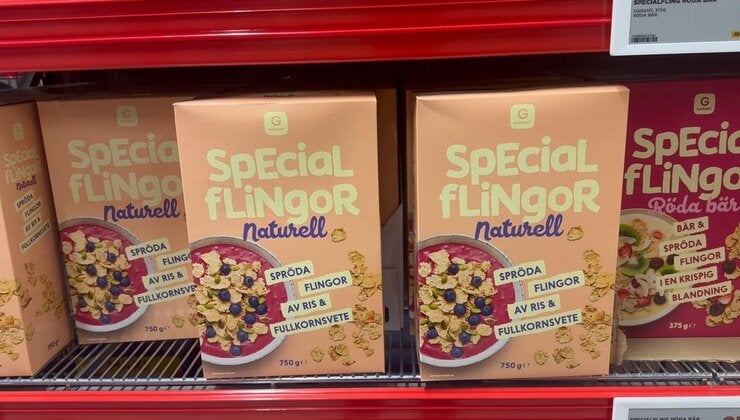
Refeed Practice | How to plan out your cereal and granola food dream
Welcome to the fun of getting lean and staying lean!
I love food. I love all kinds of food including regular mainstream unhealthy comfort foods or pure junk.
Choosing to make my own healthy meals saves me tons of calories compared to go for 'the real thing'.
I can choose a tiny slice of a cheesecake or a whole home made one...What do you think I go for? The whole pie of course!
I'm a size eater, I go for the bigger the better!
That does not mean I don't eat small morsels, it just rarely happens.
A lean body on a hard training routine tends to be really interested in eating real whole food over fast food, candy, chips etc.
The leaner you become the more your idea of what is satisfying tends to change.
When you're not lean you might not have interest in a protein made yogurt pudding, but when you're lean that same 'diet dessert' will have you end up in diet heaven!
In this grocery trip I'm showing you how to plan out a cereal dream on your upcoming refeed so you can get solve that insatiable lust for having the whole box in one day and still stay on your get lean or stay lean gain lean muscle plan.
Posted
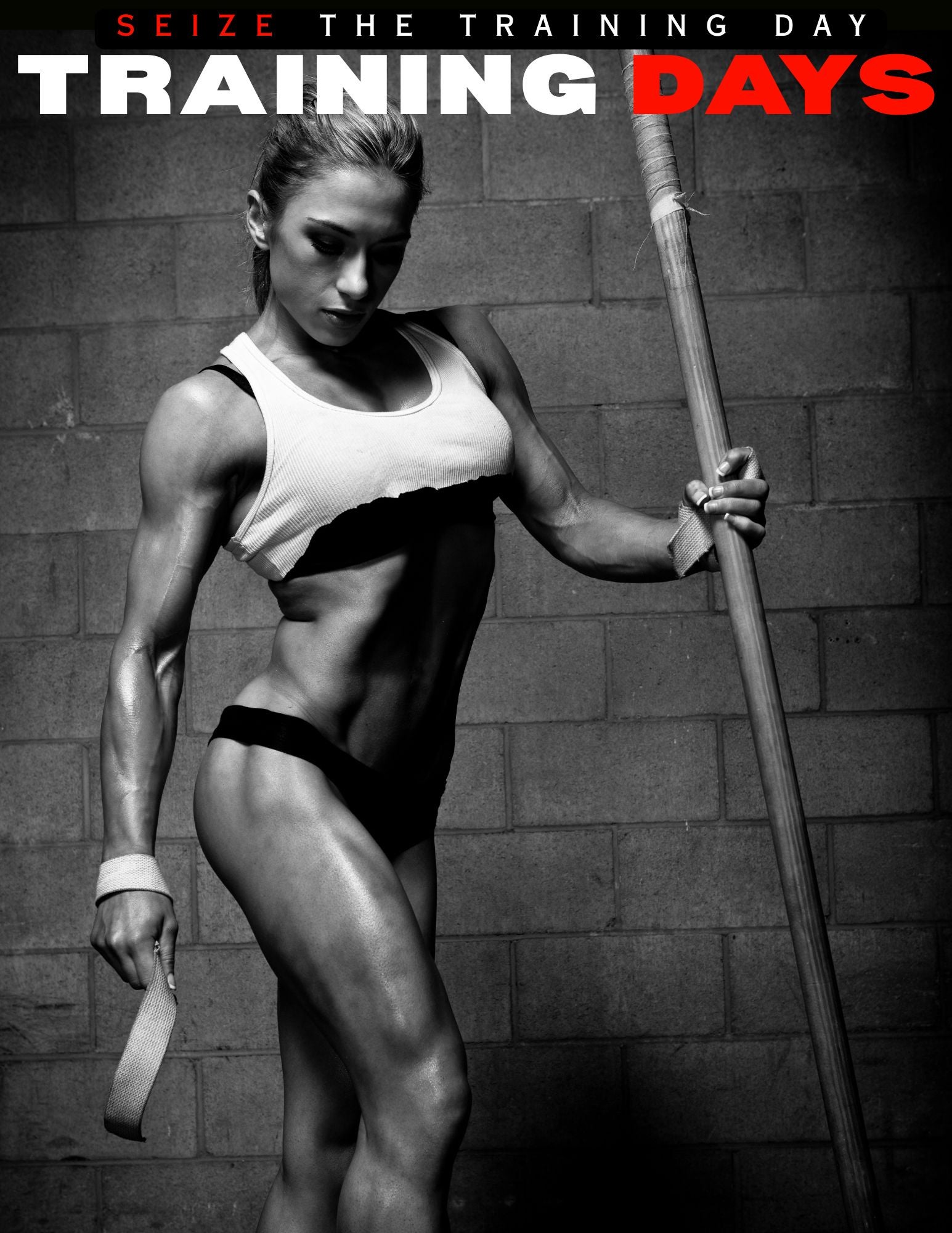
The best thing about fitness life is that it never ends. It goes with life.
The secret to enjoying fitness life is to understand the nature of it, and to make it work for you, not against you.
Fitness should make life better, not become another life you have to live.
I want you to enjoy the way you eat. Enjoy the way you train. Feel strong. Feel healthy. Feel good in your body. Travel. Experience things. Enjoy food. Have an unpredictable schedule. And know how to keep going.
That’s why we have a Current Plan.
Your fitness life shouldn’t become stale. Your body changes. Your goals change. Your interests change. Your schedule changes. Sometimes you have a great gym. Sometimes you don’t want to go to a gym at all.
Adapt. Find the way. Live fitness life like an adventure, not like a fitness chore.
I want you to become independent in your training. To know how to train when the equipment isn’t perfect, when you’re traveling, when your schedule changes, or when your body needs something different.
And training hard is only part of it.
How do you train hard, recover, and keep coming back?
Mobility. Recovery. Rest. Taking care of the body you’re asking to perform for you. And that means your mindset is much more important to train and master.
Because in the end, what are we training our bodies for?
Not just to look good.
We’re building bodies to live our lives in.
I started training for the look. Today, the look is a bonus. I love that I have a body to train. I don't take it for granted.
And just like anything you want to keep loving, your fitness life needs attention. Keep it interesting. Find new foods you love. Try another workout. Learn something. Recover. Travel. Adapt.
Keep the love in your fitness life.
Be your own best training partner. Make it fun. Show up. Surprise yourself.
That’s also why I coach the way I do. I don’t want you feeling guilty because you aren’t doing enough, or believing you’ve failed because you want to enjoy your life.
I want you to learn how to manage your own fitness life — not through constant control, but by knowing yourself well enough to find your balance.
Training. Diet. Mindset. Living life.
This is where you come to see what we’re doing now.
New training. New Fighterdiet practices. New routines. New ways to recover. New things I’m learning, practicing, eating and training myself.
I live the practice and I bring it to you.
Everything keeps evolving.
So does your fitness life.
Welcome to mine.
Stay present. Seize the Training Day.
– Coach Pauline
Posted
HOW DO YOU LIVE THE LIFE YOU ACTUALLY WANT?
Travel. Eat out. Experience things. Have an unpredictable schedule. Spend time away from home.
And still stay fit and keep going?
That’s what I want to talk about.
Because real life isn’t always being home in your controlled environment where you have your kitchen, your food, your gym and your perfect routine.
And I don’t want to wait for that environment to live my fitness life.
I want my fitness to work wherever my life takes me.
That means knowing how to train when I don’t have my regular gym. Knowing how to use resistance bands. Knowing how to eat when I’m traveling or eating at restaurants. Knowing what to prepare, what matters, what I can let go of, and what I need to keep doing.
I don’t want fitness to be an on-and-off project where I keep waiting until I’m home to “get back on track.”
I want to practice the real life I actually want to live.
There is only one life, and there is more to life than fitness.
Fitness should help you live it—not prevent you from living it.
That’s the healthy balance I’m interested in: maintaining the body I want without having to maintain the complete fitness lifestyle I think it takes.
Keep the habits that matter. Learn how to adapt. Trust yourself outside your controlled environment.
And keep going.
That’s what I want to talk about.
What is YOUR fitness life goal?
Commented on Seated Cable Rows | K.I.S.S BACK WORKOUT | 100 REPS
02 Oct 09:25
Sophie